
SECURITY FILM, CLEARLY EXPLAINED
What It Can Do. What It Cannot. What Makes A System Work.
A Clearer Way To Think About Glass Protection Security window film is one part of a protective glazing system. The right solution begins with the existing glass, the frame, the opening, and the threat you want to address. Honest guidance separates measurable performance from marketing shortcuts.
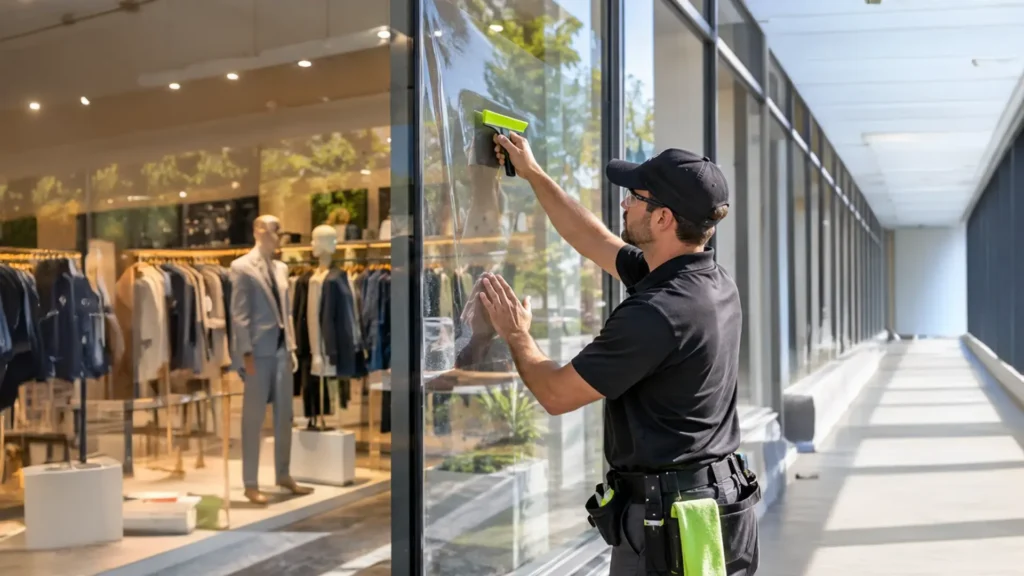
1. FILM HELPS RETAIN BROKEN GLASS
Security film bonds to the glass surface. When the
glass breaks, the film can help hold fragments together
and keep the opening more difficult to clear. That may
create valuable time and distance, but it does not
make the glass unbreakable.
2. THICKNESS IS ONLY ONE VARIABLE
Mil thickness matters, but it is not a complete
performance rating. Film construction, adhesive, glass
type, frame condition, edge attachment, opening size,
cure, and installation quality all influence how the
finished system behaves.

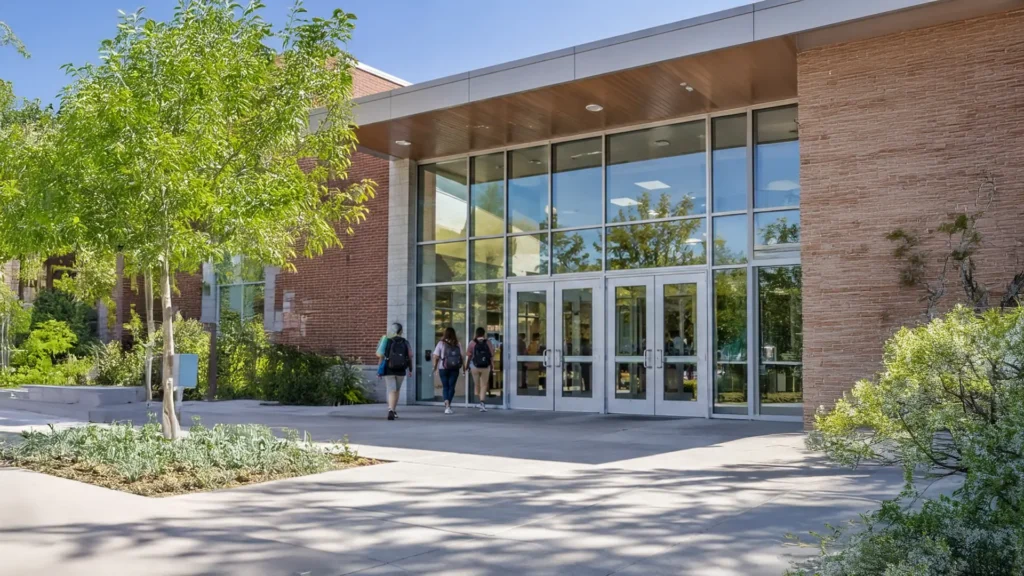
3. THE EXISTING GLASS SETS THE STARTING POINT
Annealed, heat-strengthened, tempered, insulated, and laminated glass respond differently. A site assessment helps
identify the glass and framing so the film and attachment method can be matched to the opening instead of guessed
from appearance alone.
THE GOAL IS NOT A THICKER LABEL. IT IS A BETTER-DESIGNED SYSTEM.
Threat, glass, frame, film, attachment, and installation should work together.
THE DETAILS THAT CHANGE PERFORMANCE
4. EDGE RETENTION CAN BE CRITICAL
Film performs on the glass surface; an attachment system is designed to connect the filmed glass to the frame. Depending on the risk and the opening, that connection can be an important part of resisting rapid removal after impact.
5. SECURITY FILM IS NOT BULLETPROOF
Security film should not be described as bulletproof. Ballistic protection requires a purpose-built and tested glazing assembly. If firearm resistance is a requirement, the entire assembly - glazing, frame, anchors, and test standard - must be specified accordingly.
6. INSTALLATION QUALITY MATTERS
Surface preparation, cutting, edge clearances, solution control, pressure, attachment detailing, and cure conditions all affect appearance and performance. Temporary haze or small moisture pockets can occur while film cures; the installer should explain normal drying behavior and aftercare.
7. SPECIFY FOR THE REAL THREAT
Smash-and-grab loss, accidental impact, windborne debris, forced-entry delay, and fragment retention are different objectives. A responsible recommendation identifies the priority first, then selects products and details supported by applicable testing.

Protect What Matters.
ICU Service Group provides commercial-grade Defender Security Film™ solutions for schools, offices, retail locations, warehouses, healthcare facilities, and other professional properties.
Schedule a security film consultation today.
QUESTIONS WORTH ASKING
- What threat are we designing for?
- What glass and frame are already in place?
- Is an attachment system recommended?
- Which test report supports the proposed use?
- Who will install it, and what warranty applies?
START WITH THE OPENING. DESIGN FOR THE OUTCOME.
ICU Service Group evaluates the glass, framing, use of the space, and stated security goal before recommending Defender Security Film™. Our objective is straightforward: clear options, realistic expectations, and professional installation.
FAQs
Who manufactures the film?
Security film is produced by specialized manufacturers and installed by ICU Service Group, LLC. Our proprietary installation application creates the Defender Security Film™ product.
Can security film stop rifle fire?
Standard window film should not be represented as rifle-rated or bulletproof. Rifle protection typically requires a purpose-built, independently tested ballistic glazing assembly. We will help identify the appropriate solution when ballistic resistance is a project requirement.
What makes one system stronger than another?
Film thickness alone does not define performance. Film construction, existing glass, installation quality, edge attachment and frame condition all matter. The goal is to keep broken glass together and delay forced entry - buying valuable response time.
Why attach the glass to the frame?
A filmed pane can still be pushed out if the perimeter is not secured. When the opening and system call for it, a structural attachment bonds the filmed glass to the frame so the entire opening works together under impact.
Is security film bulletproof?
No film by itself is bulletproof. Some tested film-and-glass assemblies may provide resistance to specified handgun threats, but results depend on the complete assembly and test conditions. Defender Security Film™ installed by ICU has proven to stop most handgun rounds.
What should be checked before installation?
We evaluate existing tint or film, glass type and thickness, flatness, frame condition and access. Curved, damaged or unusually thin glass may need a different approach. Historic properties or regulated buildings may also require approval before work begins.
